
Course Of An Empire
Course Of An Empire - The book chronicles several centuries of searching for a northwest passage, a water route that would. The course of empire is a history of the exploration of western north america. Cole created a magnificent cycle of five paintings called the course of empire, which tells the story of an empire through its rise and fall. Starting in 1833 thomas cole spent 3 years creating the course of empire, a series of five paintings describing the arc of human culture from ‘savage wilderness’ through high civilization. Based on his experiences as an observer of historic ruins in italy, cole painted what he believed to be the different phases or “stages” through which virtually all the empires. Civilizations reveals the role art and creative imagination have played in forging humanity, and introduce viewers to works of beauty, ingenuity and illumination across cultures. The consummation of the empire” was created by thomas cole in 1836. The artwork titled “the course of empire: The course of empire, a series of paintings created from 1833 to 1836, seeks to illustrate the idea that empire building is a dangerous venture and can leave civilizations worse. In this, cole was influenced by cyclical theories of history well known to intellectuals in cole’s time, as well as global and national. The course of empire is a history of the exploration of western north america. The consummation of the empire” was created by thomas cole in 1836. In this, cole was influenced by cyclical theories of history well known to intellectuals in cole’s time, as well as global and national. Empire depicts the complete life cycle of a civilization. Executed in oil on canvas, the piece measures 193 by 130.1. Each scene is set along the banks of. Cole created a magnificent cycle of five paintings called the course of empire, which tells the story of an empire through its rise and fall. The course of empire, a series of paintings created from 1833 to 1836, seeks to illustrate the idea that empire building is a dangerous venture and can leave civilizations worse. The book chronicles several centuries of searching for a northwest passage, a water route that would. The artwork titled “the course of empire: Course of empire, as well as his choice of a serial format that, in effect, overcame the temporal limitations of individual paintings, reflects his habitual identification of art with literature. Civilizations reveals the role art and creative imagination have played in forging humanity, and introduce viewers to works of beauty, ingenuity and illumination across cultures. Based on his experiences as. Empire depicts the complete life cycle of a civilization. The course of empire, a series of paintings created from 1833 to 1836, seeks to illustrate the idea that empire building is a dangerous venture and can leave civilizations worse. Executed in oil on canvas, the piece measures 193 by 130.1. Civilizations reveals the role art and creative imagination have played. Each scene is set along the banks of. The book chronicles several centuries of searching for a northwest passage, a water route that would. Starting in 1833 thomas cole spent 3 years creating the course of empire, a series of five paintings describing the arc of human culture from ‘savage wilderness’ through high civilization. Cole created a magnificent cycle of. Cole created a magnificent cycle of five paintings called the course of empire, which tells the story of an empire through its rise and fall. Executed in oil on canvas, the piece measures 193 by 130.1. It is notable in part for reflecting popular american sentiments of the times,. The course of empire, a series of paintings created from 1833. The artwork titled “the course of empire: In this, cole was influenced by cyclical theories of history well known to intellectuals in cole’s time, as well as global and national. The consummation of the empire” was created by thomas cole in 1836. The course of empire is a history of the exploration of western north america. Executed in oil on. The course of empire is a history of the exploration of western north america. Based on his experiences as an observer of historic ruins in italy, cole painted what he believed to be the different phases or “stages” through which virtually all the empires. In this, cole was influenced by cyclical theories of history well known to intellectuals in cole’s. In this, cole was influenced by cyclical theories of history well known to intellectuals in cole’s time, as well as global and national. Civilizations reveals the role art and creative imagination have played in forging humanity, and introduce viewers to works of beauty, ingenuity and illumination across cultures. The course of empire, a series of paintings created from 1833 to. Cole created a magnificent cycle of five paintings called the course of empire, which tells the story of an empire through its rise and fall. The artwork titled “the course of empire: The course of empire, a series of paintings created from 1833 to 1836, seeks to illustrate the idea that empire building is a dangerous venture and can leave. Course of empire, as well as his choice of a serial format that, in effect, overcame the temporal limitations of individual paintings, reflects his habitual identification of art with literature. Each scene is set along the banks of. The course of empire, a series of paintings created from 1833 to 1836, seeks to illustrate the idea that empire building is. The consummation of the empire” was created by thomas cole in 1836. Executed in oil on canvas, the piece measures 193 by 130.1. It is notable in part for reflecting popular american sentiments of the times,. The course of empire is a history of the exploration of western north america. Course of empire, as well as his choice of a. The consummation of the empire” was created by thomas cole in 1836. Each scene is set along the banks of. The book chronicles several centuries of searching for a northwest passage, a water route that would. Cole created a magnificent cycle of five paintings called the course of empire, which tells the story of an empire through its rise and fall. Based on his experiences as an observer of historic ruins in italy, cole painted what he believed to be the different phases or “stages” through which virtually all the empires. The course of empire is a history of the exploration of western north america. The artwork titled “the course of empire: The course of empire, a series of paintings created from 1833 to 1836, seeks to illustrate the idea that empire building is a dangerous venture and can leave civilizations worse. Executed in oil on canvas, the piece measures 193 by 130.1. It is notable in part for reflecting popular american sentiments of the times,. Empire depicts the complete life cycle of a civilization. Course of empire, as well as his choice of a serial format that, in effect, overcame the temporal limitations of individual paintings, reflects his habitual identification of art with literature.
Thomas Cole The Course Of Empire Consummation

Why is Thomas Cole's The Course of Empire (a series of five paintings
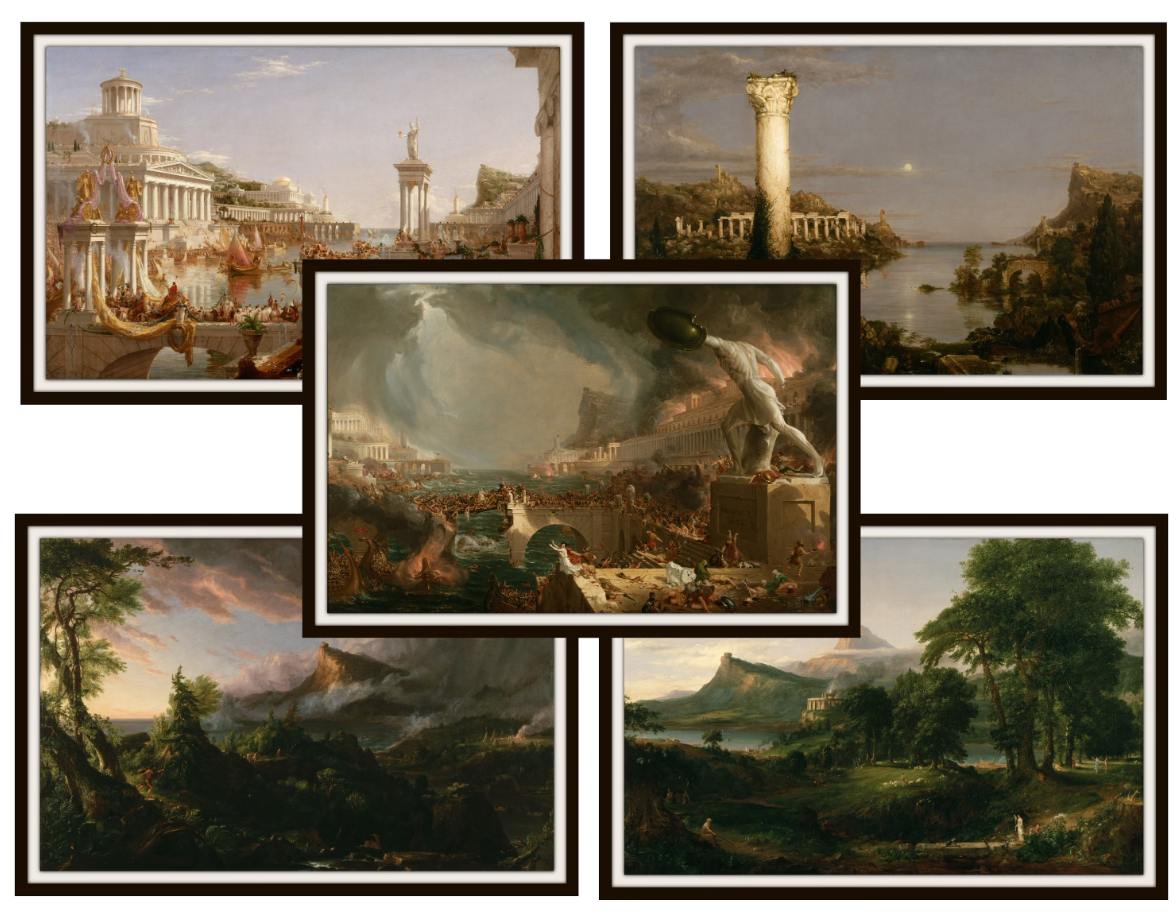
The Course of Empire — Thomas Cole by Alejandro Orradre Medium
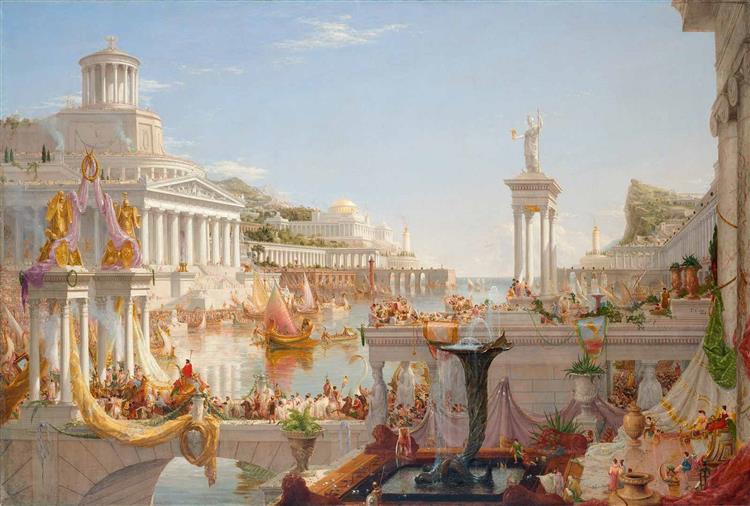
The Course of Empire The Consummation of the Empire, 1836 Thomas
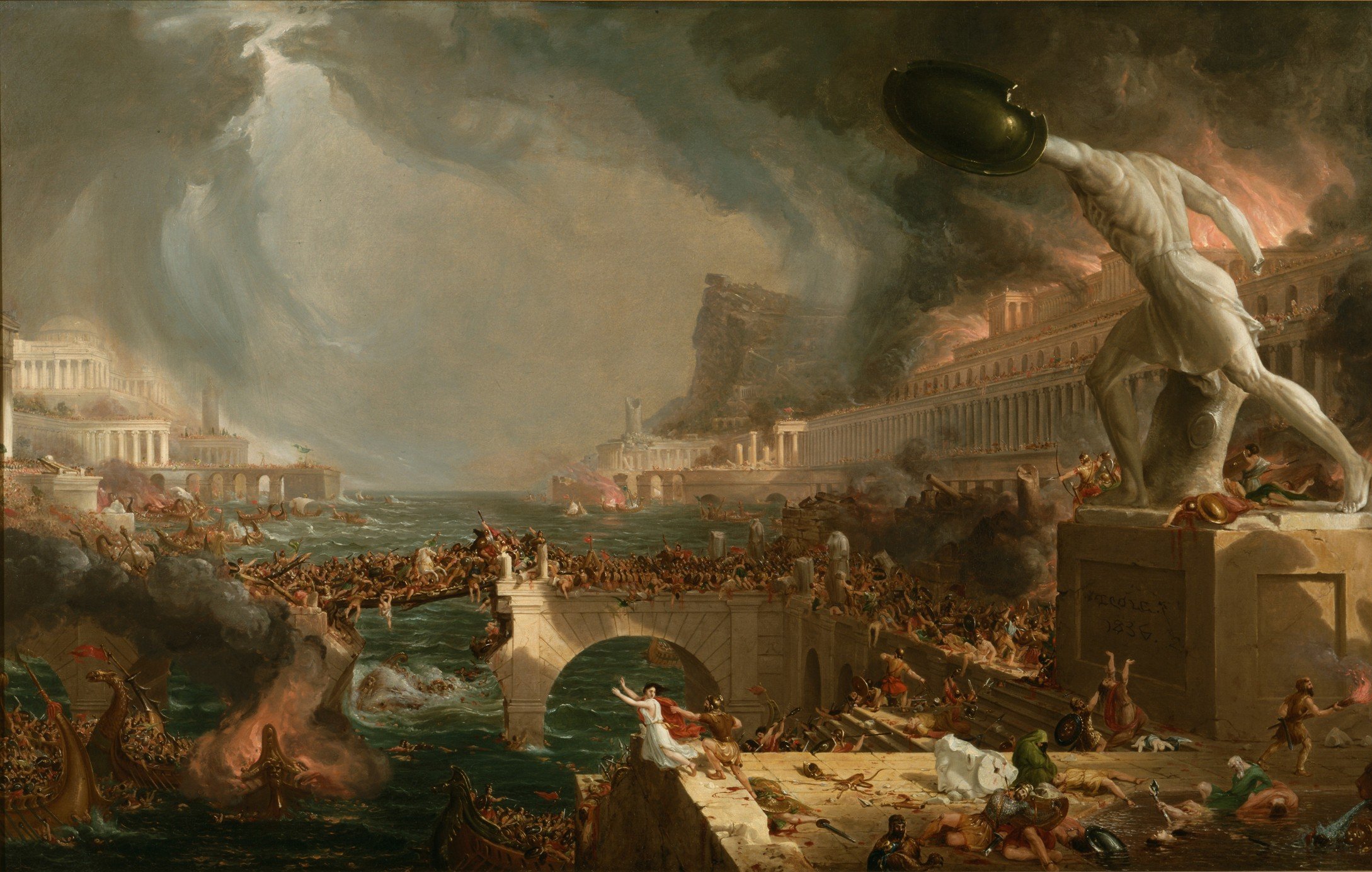
Thomas Cole, The Course of Empire Destruction, Painting, Classic art
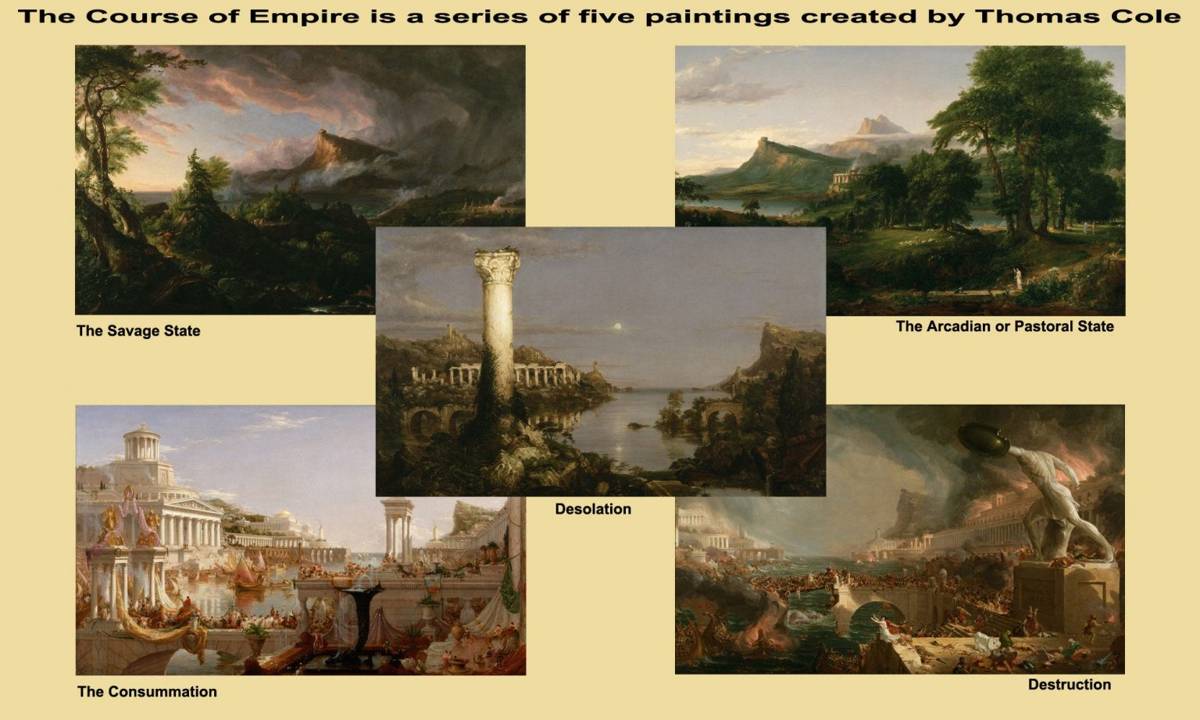
Course Of Empire Complete Set 5 Art Prints 10" X 16" Paintings By

Thomas Cole, The Course of Empire Thomas Cole, The Course … Flickr
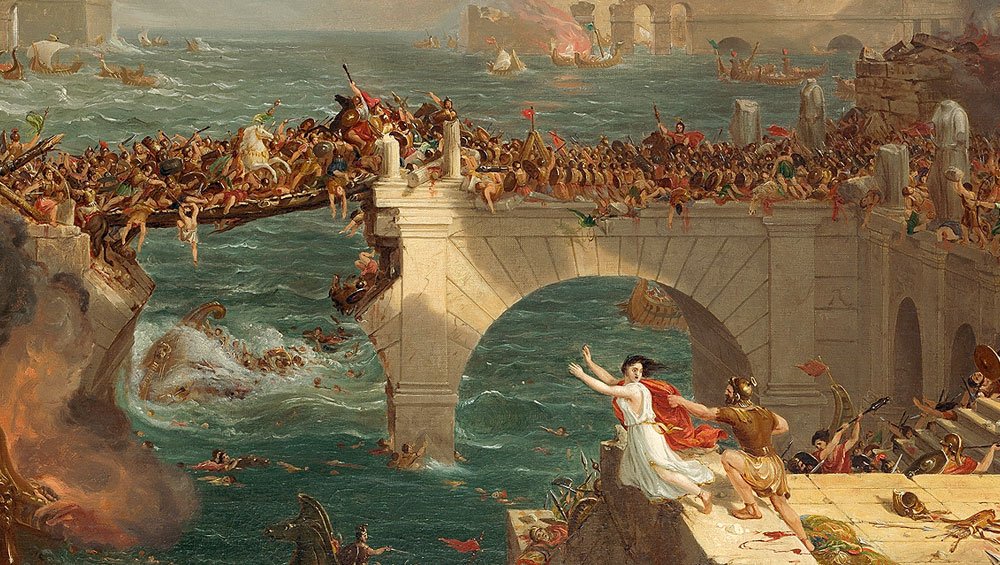
Thomas Cole Eden to Empire
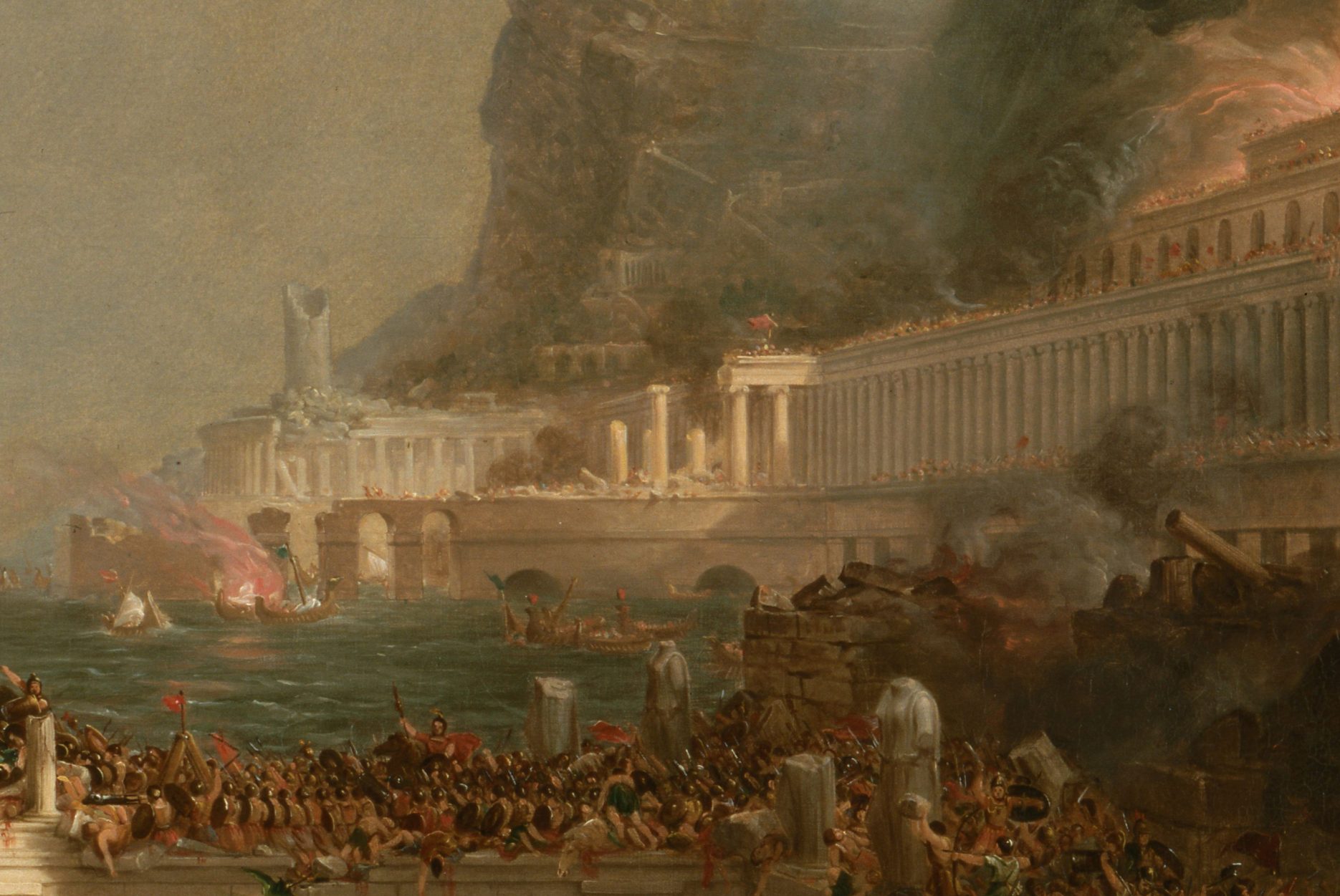
Narrative Painting Thomas Cole, The Course of Empire Destruction, 1836

Thomas Cole the Course of the Empire 1836 COMPLETE SET Etsy The
Civilizations Reveals The Role Art And Creative Imagination Have Played In Forging Humanity, And Introduce Viewers To Works Of Beauty, Ingenuity And Illumination Across Cultures.
Starting In 1833 Thomas Cole Spent 3 Years Creating The Course Of Empire, A Series Of Five Paintings Describing The Arc Of Human Culture From ‘Savage Wilderness’ Through High Civilization.
In This, Cole Was Influenced By Cyclical Theories Of History Well Known To Intellectuals In Cole’s Time, As Well As Global And National.
Related Post: