
Of Course In Korean
Of Course In Korean - 3 required language sequence courses; How do you say this in korean? For examples, you can use like [그렇지, 바로 그거야!, 그렇지, 그렇고말고]. 물론, 勿論, 물론이에요 are the top translations of of course into korean. The korean studies minor consists of 6 courses and requires the following: When speaking formally or in polite situations, the korean phrase “of course” can be translated as “물론입니다” (mullonimnida). The owner of it will not be notified. You can also listen to audio pronunciation to learn how to pronounce of course in korean and how to. Is 그럼 the informal way of saying 그럼요? Translation of of course into korean. We don't usually use of course as a confirmation. Is 그럼 the informal way of saying 그럼요? 3 required language sequence courses; For examples, you can use like [그렇지, 바로 그거야!, 그렇지, 그렇고말고]. Here, “물론” (mullon) means “of course” and. How do you say this in korean? We only tend to use it strictly as stating the obviousness. Translation of of course into korean. How to say ‘of course.’ learning how to express simple words and phrases like ‘of course’ can help you in daily. Of course in korean is 물론. The owner of it will not be notified. Translation of of course into korean. In this article, we will explore one essential phrase in korean: When speaking formally or in polite situations, the korean phrase “of course” can be translated as “물론입니다” (mullonimnida). How to say ‘of course.’ learning how to express simple words and phrases like ‘of course’ can. For examples, you can use like [물론이지, 품질은 물론이고 값도저렴하다]. We don't usually use of course as a confirmation. Learn how to say of course in korean with examples, synonyms and context sentences. Only the user who asked this question will see who disagreed with this answer. Professional korean language training for topik success. Waived korean language courses will not count toward the major and must be replaced with other korean studies courses so that the student completes a total of 11. In this post you will learn how to pronounce and use of course in. You can also listen to audio pronunciation to learn how to pronounce of course in korean and how. When speaking formally or in polite situations, the korean phrase “of course” can be translated as “물론입니다” (mullonimnida). At least 3 of the 6 courses. A casual way to say “of course” in korean is by using the expression “물론이야.” it is commonly used in conversations among friends or peers. We only tend to use it strictly as stating the. Learn how to say of course in korean with examples, synonyms and context sentences. And how you can say it just like a native. The owner of it will not be notified. Waived korean language courses will not count toward the major and must be replaced with other korean studies courses so that the student completes a total of 11.. If you want to know how to say of course in korean, you will find the translation here. Find out the meaning, pronunciation and usage of of course in english and korean. We only tend to use it strictly as stating the obviousness. The korean studies minor consists of 6 courses and requires the following: Of course in korean is. In this post you will learn how to pronounce and use 물론 along with. You can also listen to audio pronunciation to learn how to pronounce of course in korean and how to. Only the user who asked this question will see who disagreed with this answer. Learn how to say of course in korean with examples, synonyms and context. Translation of of course into korean. Of course in korean is 물론. Find out the meaning, pronunciation and usage of of course in english and korean. But it sounds like translated to me. All you need is a willingness to learn korean. For examples, you can use like [물론이지, 품질은 물론이고 값도저렴하다]. Find out the meaning, pronunciation and usage of of course in english and korean. Learn how to use 'of course' in korean with different meanings and examples. At least 3 of the 6 courses. Waived korean language courses will not count toward the major and must be replaced with other. In this post you will learn how to pronounce and use of course in. Only the user who asked this question will see who disagreed with this answer. For examples, you can use like [물론이지, 품질은 물론이고 값도저렴하다]. This course is designed to help absolute beginners gain confidence in reading, writing, and speaking korean within just five weeks. The answer,. How do you say this in korean? When speaking formally or in polite situations, the korean phrase “of course” can be translated as “물론입니다” (mullonimnida). The korean studies minor consists of 6 courses and requires the following: If you want to know how to say of course in korean, you will find the translation here. At least 3 of the 6 courses. In this post you will learn how to pronounce and use 물론 along with. In this article, we will explore one essential phrase in korean: The answer, of course, was, “all of it!” ↔. Here, “물론” (mullon) means “of course” and. How to say of course in korean (물론이에요). Find out the meaning, pronunciation and usage of of course in english and korean. See synonyms, pronunciation, collocations, and grammar rules for 'of course' in english and korean. How do you say of course in korean (formal/informal)? Is 그럼 the informal way of saying 그럼요? But it sounds like translated to me. We only tend to use it strictly as stating the obviousness.
How To Say 'Of Course' In Korean (고 말고요)
How to say “Of course.” in Korean. [ver. 3] 🏷️ . . korean koreandrama

How to say "of course" in Korean. 그럼요 YouTube
wannaspeak_korean How to say “Of course!”, “Sure!“ or “Certainly” in
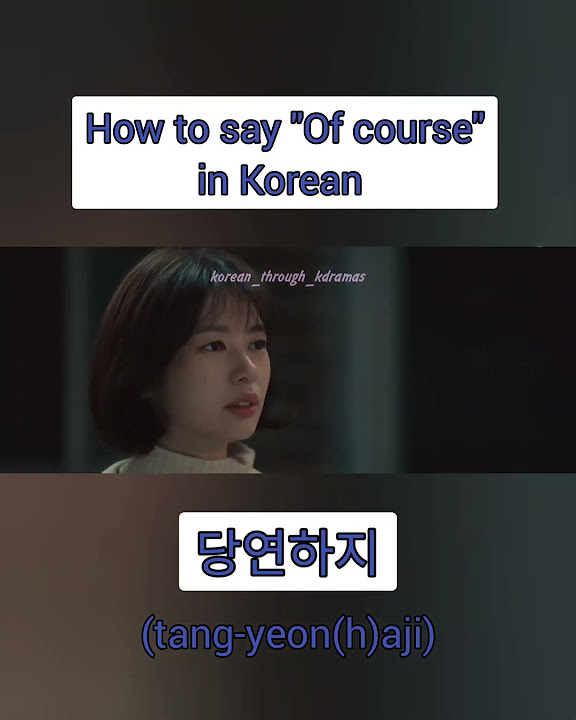
How to say "Of course" in Korean. 당연하다 YouTube

Learn Korean How to Say 'Of Course' in Korean
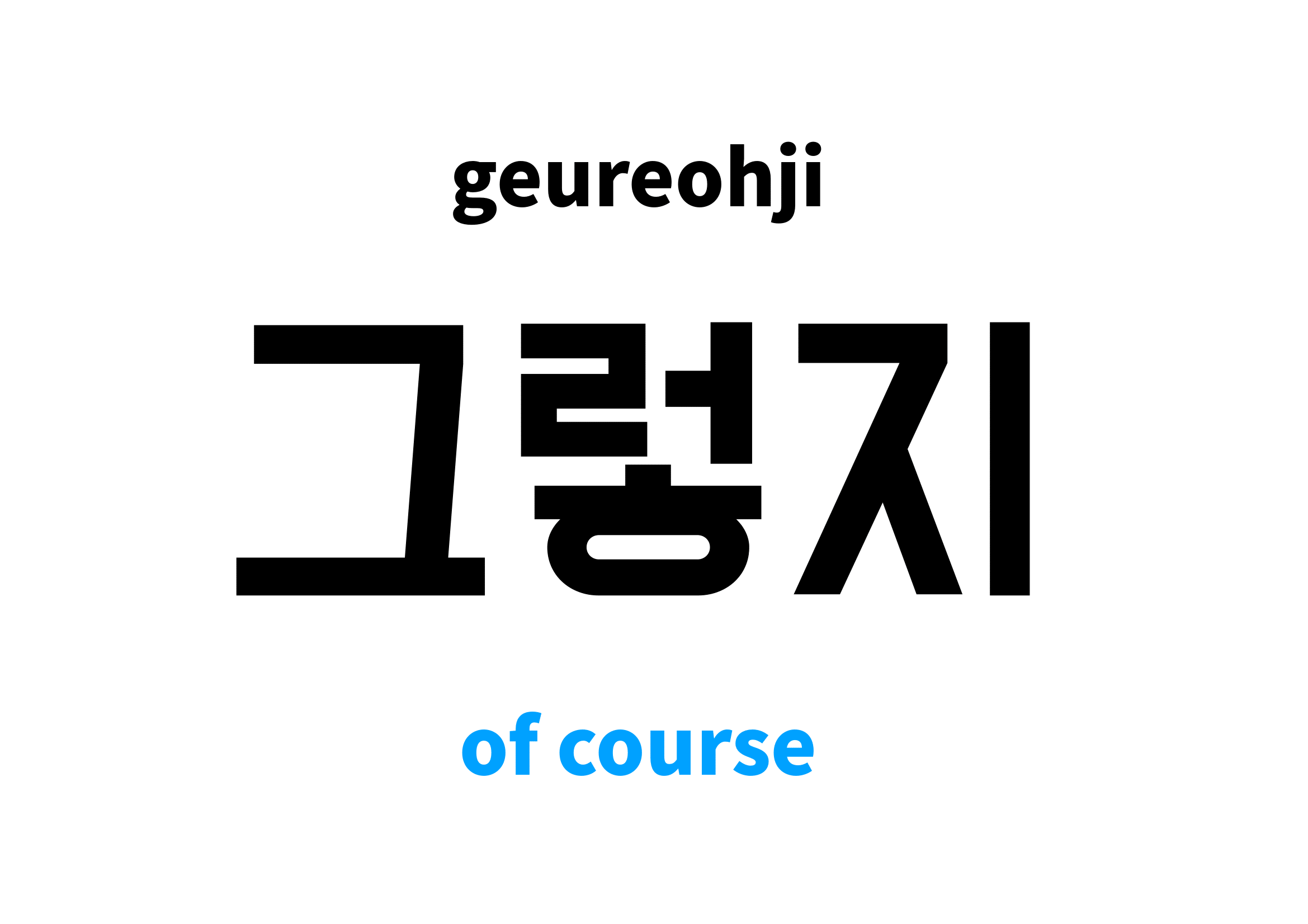
of course in Korean 그렇지's meaning and pronunciation
How do you say "" of course" as in "did you eat well? > of course
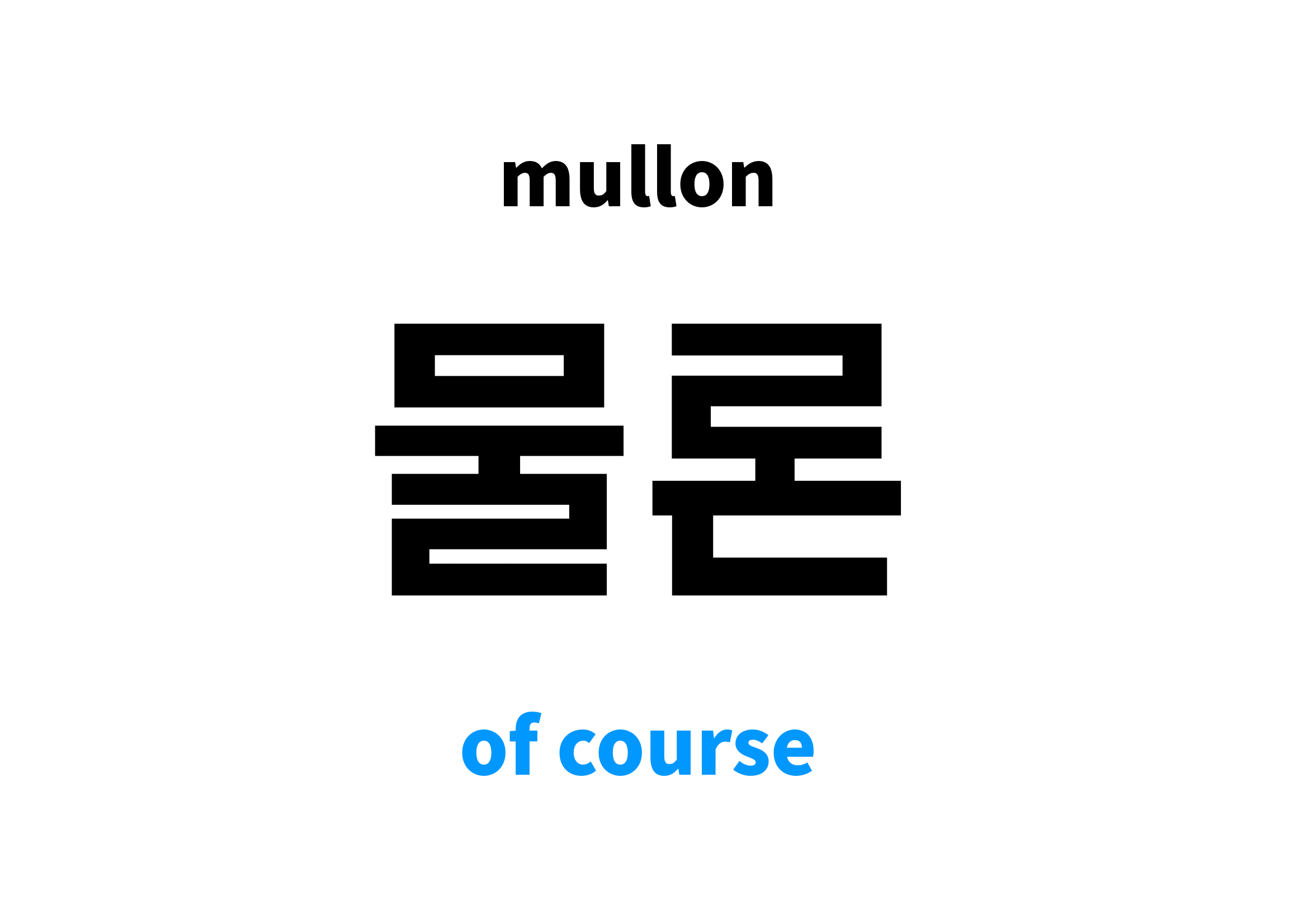
Of Course in Korean 물론's meaning and pronunciation

How to Pronounce 'Of Course!' in Korean
We Don't Usually Use Of Course As A Confirmation.
The Short Courses In Korean Language Are Designed For Those Who Wish To Sit For S Topik.
Only The User Who Asked This Question Will See Who Disagreed With This Answer.
They Specially Cater To School Leavers, Employees, Employment Seekers Or.
Related Post:
![How to say “Of course.” in Korean. [ver. 3] 🏷️ . . korean koreandrama](https://lookaside.fbsbx.com/lookaside/crawler/media/?media_id=729398888737648&get_thumbnail=1)
