
Withdrawal From Course
Withdrawal From Course - Ask the course instructor to sign the form. A student withdraws from one or more courses while remaining enrolled in at least. To drop a course means you are going to maintain some enrollment for the. Withdrawal from courses and resignation from the university definitions. When dropping course (s), students should understand the difference between drop and term withdrawal. If you're considering withdrawing from a class, consider the following issues. Communicate with your instructor to understand the reason for. Withdrawing, on the other hand, is when you decide to. We also encourage you to consult. Sometimes a course or semester doesn’t go the way that you planned, and it becomes necessary to withdraw from some or all of your classes. You may withdraw from the university up until the end of the 10th week. If you paid for the course yourself, that money will not be reimbursed to you. If the course you are withdrawing from is a major course, you will need to retake it. Any removal of a course from a student's schedule. If you need to withdraw from all your courses, this process is referred to as a university withdrawal. Removal of a course from a student's schedule before the end of the first week of class. Sometimes a course or semester doesn’t go the way that you planned, and it becomes necessary to withdraw from some or all of your classes. Whatever the reason, sometimes dropping a class is the right thing to do for your gpa (and your sanity). Withdrawing from a course after the refund period indicated on your schedule always has financial consequences. It’s crucial to weigh the pros and cons, considering your individual. When deciding whether to withdraw from or take a failing grade in a college course, factors like cost and financial aid must be considered. Before withdrawing from courses, familiarize yourself with uncg’s course withdrawal policy, academic standing policy, and withdrawal deadlines. Withdrawing from a course after the refund period indicated on your schedule always has financial consequences. Removal of a. When dropping course (s), students should understand the difference between drop and term withdrawal. We also encourage you to consult. Withdrawing, on the other hand, is when you decide to. When you withdraw from a class, instead of having a grade on your transcript, it will be marked with a “w,” and according to the school policy, you may not. Immediately, submit the drop form to the counseling office. Withdrawing, on the other hand, is when you decide to. To drop a course means you are going to maintain some enrollment for the. Withdrawing from a class can have grave implications—financial, academic, and personal. Dropping a class means officially withdrawing from a course after initially enrolling but before the end. To drop a course means you are going to maintain some enrollment for the. This guide will cover the effects of withdrawing. If you're considering withdrawing from a class, consider the following issues. Any removal of a course from a student's schedule. Withdrawing from a course after the refund period indicated on your schedule always has financial consequences. Ask the course instructor to sign the form. If it is an elective course, you may not need to retake that specific course, but you might be. When deciding whether to withdraw from or take a failing grade in a college course, factors like cost and financial aid must be considered. A student withdraws from one or more courses while. If the course you are withdrawing from is a major course, you will need to retake it. Ask the course instructor to sign the form. Withdrawing, on the other hand, is when you decide to. Sometimes a course or semester doesn’t go the way that you planned, and it becomes necessary to withdraw from some or all of your classes.. If you're considering withdrawing from a class, consider the following issues. Withdrawing affects a semester of financial aid eligibility. Any removal of a course from a student's schedule. Dropping a class means officially withdrawing from a course after initially enrolling but before the end of the semester. When you withdraw from a class, instead of having a grade on your. Dropping a course refers to the first week or so of the semester when you decide that a certain class is not the right fit. Withdrawing from a class can have grave implications—financial, academic, and personal. If it is an elective course, you may not need to retake that specific course, but you might be. Ask the course instructor to. To minimize the impact of withdrawing from a college class, consider the following steps: Petition to withdraw from the college course. We also encourage you to consult. If it is an elective course, you may not need to retake that specific course, but you might be. Removal of a course from a student's schedule before the end of the first. Withdrawing from a class can have grave implications—financial, academic, and personal. If the course you are withdrawing from is a major course, you will need to retake it. When dropping course (s), students should understand the difference between drop and term withdrawal. When you withdraw from a class, instead of having a grade on your transcript, it will be marked. Communicate with your instructor to understand the reason for. Sometimes a course or semester doesn’t go the way that you planned, and it becomes necessary to withdraw from some or all of your classes. Immediately, submit the drop form to the counseling office. To minimize the impact of withdrawing from a college class, consider the following steps: If you paid for the course yourself, that money will not be reimbursed to you. Withdrawal from courses and resignation from the university definitions. No withdrawals will be accepted after this date. When you withdraw from a class, instead of having a grade on your transcript, it will be marked with a “w,” and according to the school policy, you may not get your money. Dropping a class means officially withdrawing from a course after initially enrolling but before the end of the semester. If it is an elective course, you may not need to retake that specific course, but you might be. Many institutions implement a drop deadline, a. Before withdrawing from courses, familiarize yourself with uncg’s course withdrawal policy, academic standing policy, and withdrawal deadlines. If the course you are withdrawing from is a major course, you will need to retake it. If you're considering withdrawing from a class, consider the following issues. Withdrawing from a course after the refund period indicated on your schedule always has financial consequences. A student withdraws from one or more courses while remaining enrolled in at least.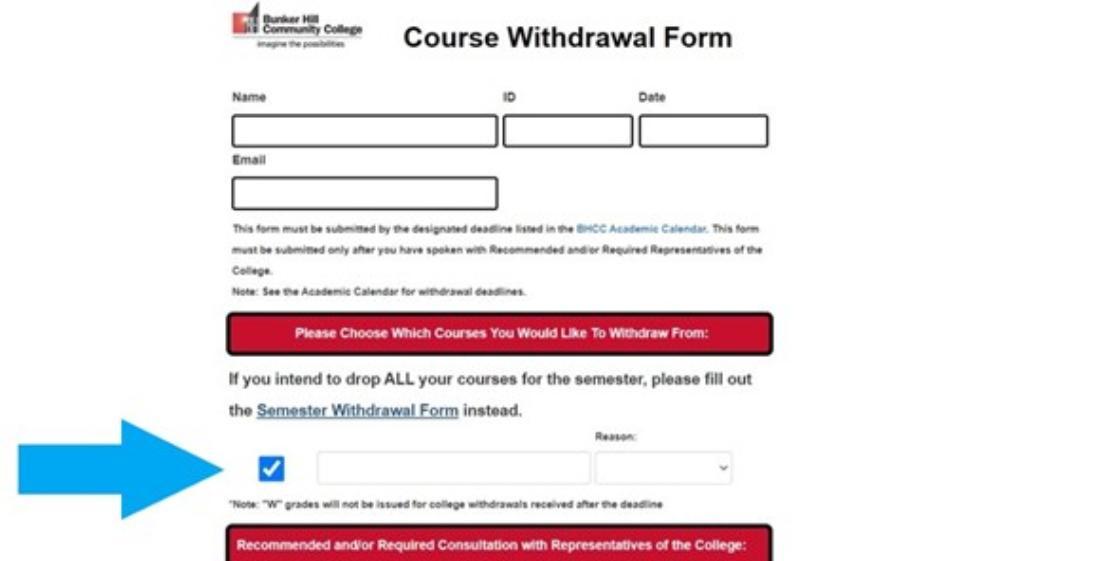
Withdrawal from Course or College Bunker Hill Community College

PPT Getting Informed and Preparing to See Your Advisor PowerPoint
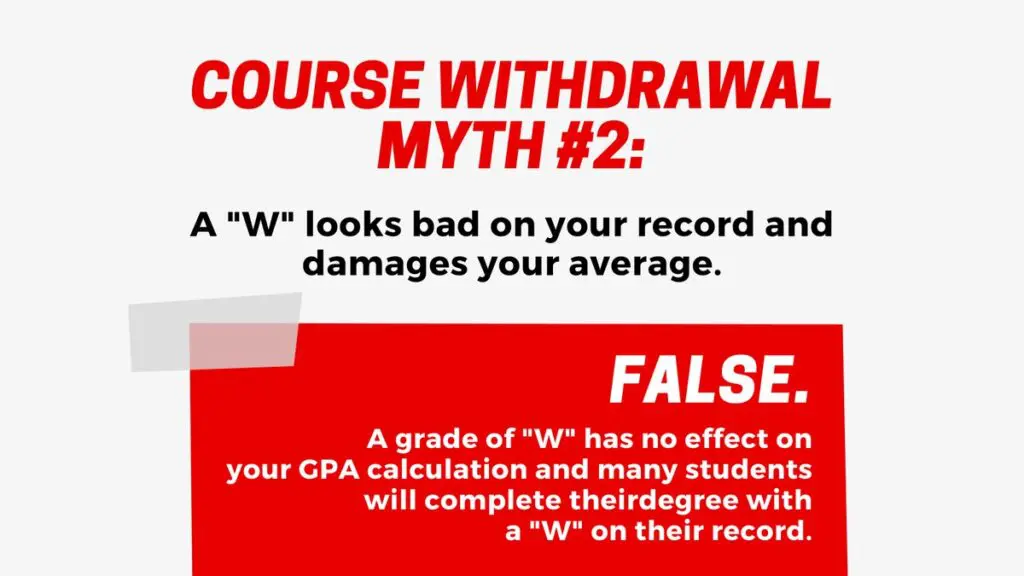
Is Withdrawing From a Class Bad? Consequence of a “W” on Transcript

How to withdraw from a class using “Excused Withdrawal” Fullerton

Withdraw Information Academic Advising PLU
Don’t fail or withdraw from a class until you read this

Pros and Cons of Withdrawing from a Class in College All College Talk
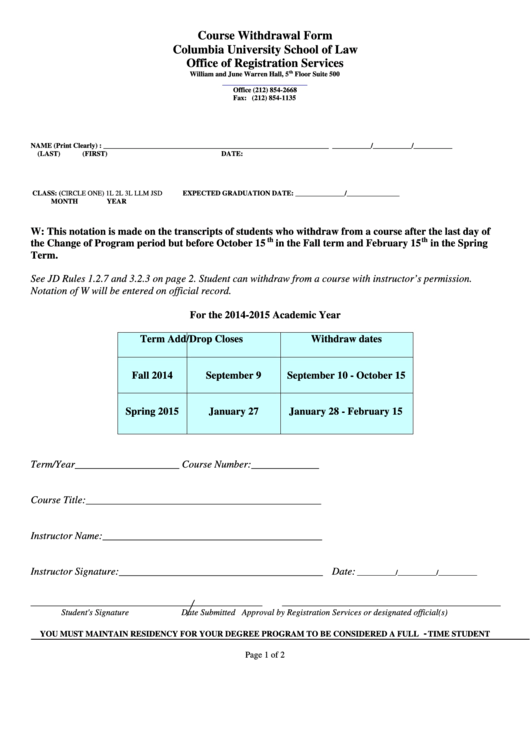
Sample Course Withdrawal Form printable pdf download
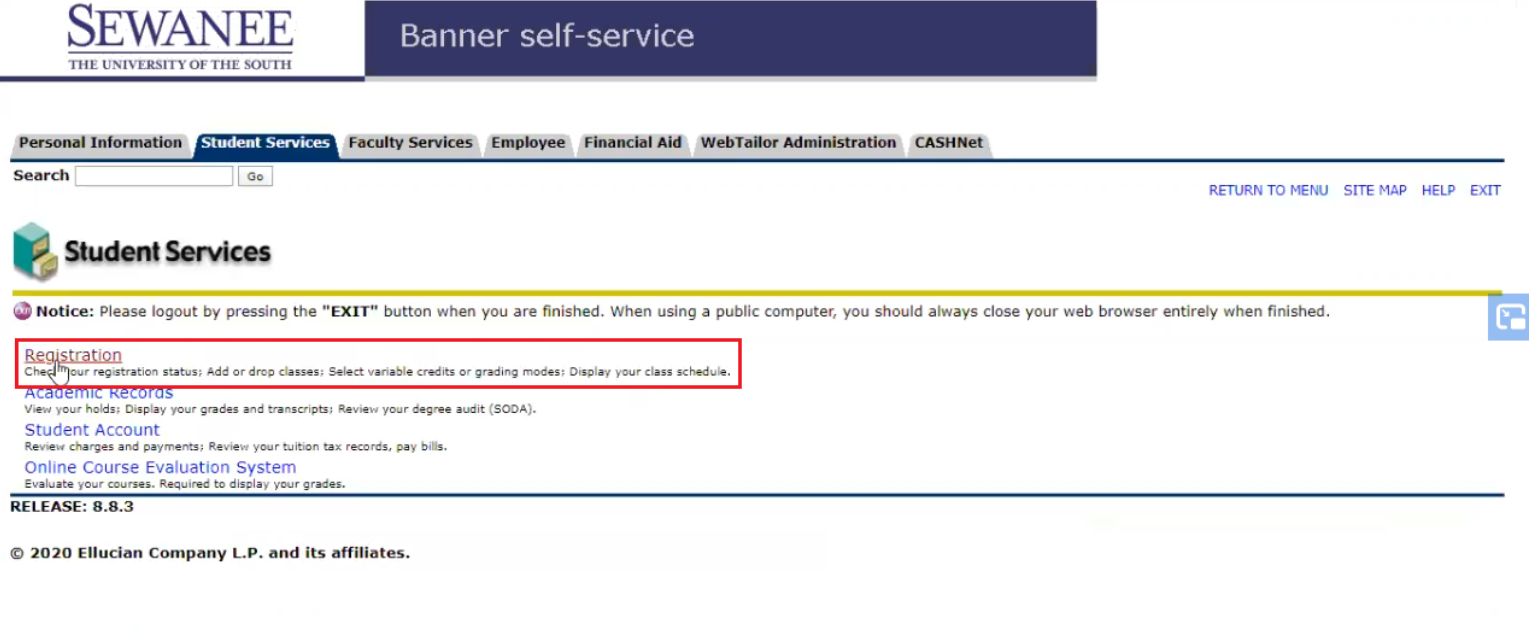
Dropping or Withdrawing from a Course The University of the South
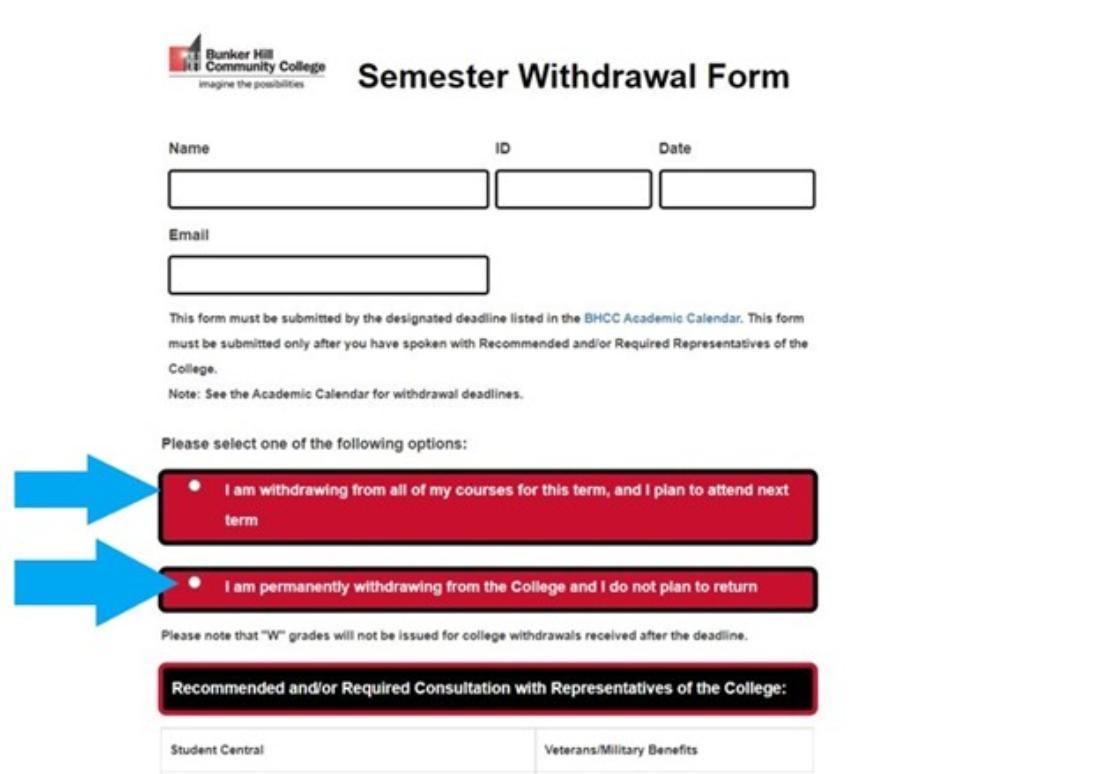
Withdrawal from Course or College Bunker Hill Community College
It’s Crucial To Weigh The Pros And Cons, Considering Your Individual.
We Also Encourage You To Consult.
When Deciding Whether To Withdraw From Or Take A Failing Grade In A College Course, Factors Like Cost And Financial Aid Must Be Considered.
Withdrawing From A Class Can Have Grave Implications—Financial, Academic, And Personal.
Related Post: